
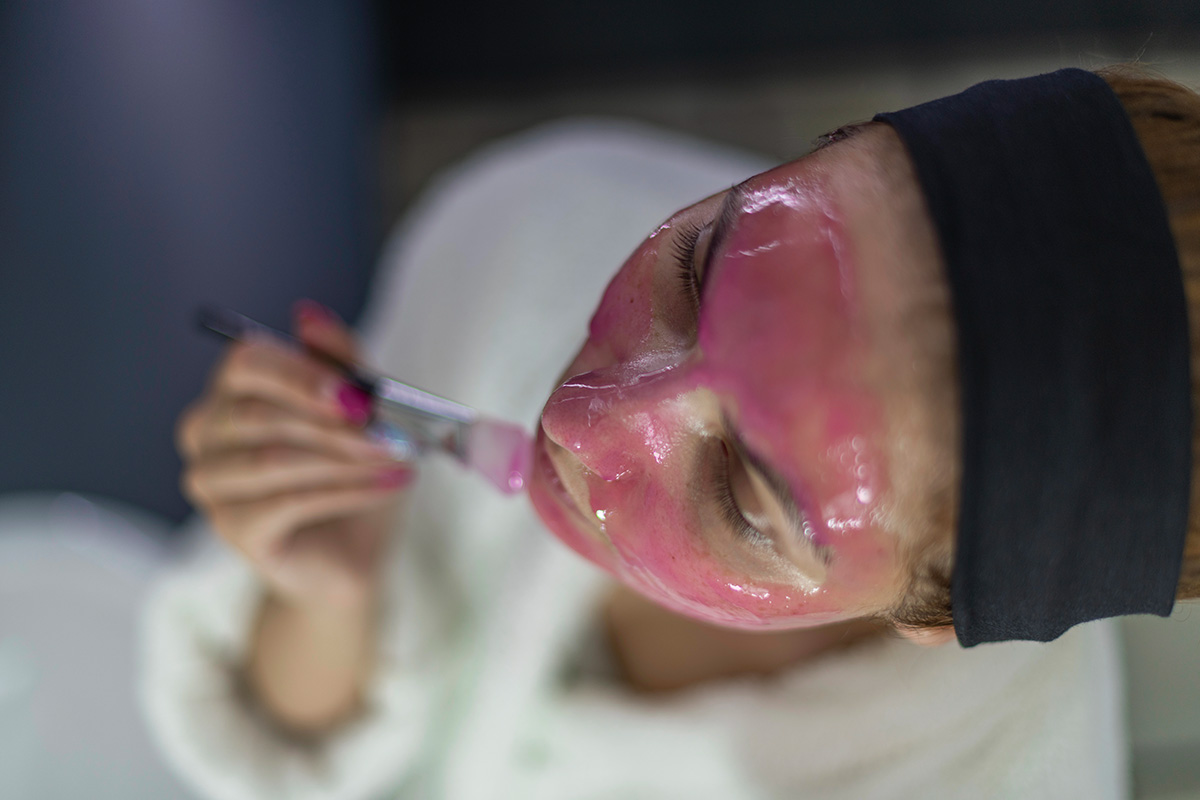
Why does Korean skincare feel so different from everything that came before it?
For years, many Western skincare brands approached skin as something to correct, dry out acne, erase wrinkles, fight imperfections as quickly as possible. Korean skincare introduced a different idea: what if the goal wasn’t to fight your skin at all, but to maintain it?
Today, that authority has quietly shifted.
Scroll through beauty TikTok or walk into any major retailer, and a different language of skincare is everywhere: essences, barrier repair, hydration layers, and skin “glow” instead of perfection. What once felt niche is now mainstream, and much of that shift can be traced back to one place, Korean skincare. K-beauty has moved from the edges of beauty culture to its center. It’s no longer a trend category; it’s the framework through which a large part of global skincare is now understood.
So why did it resonate so widely?
The answer isn’t one viral product or ingredient. It’s a deeper shift in philosophy, one that changed how people think about their skin entirely.
A Different Philosophy of Skin
Western beauty culture taught people to fight their skin. Korean skincare taught people to maintain it. Traditional Western routines have often been reactive: targeting breakouts, fading dark spots, smoothing wrinkles after they appear. The language itself reinforces urgency, fight, correct, repair.
Korean skincare, by contrast, prioritizes prevention and consistency. The focus is on strengthening the skin barrier, maintaining hydration, and supporting long-term resilience so problems are less likely to develop in the first place.
That shift may seem subtle, but it changes everything. Skincare becomes less about reacting to damage and more about maintaining balance. Instead of urgency, there is consistency. Instead of “fixing,” there is care.
In a beauty culture long driven by quick results, that slower, steadier approach feels almost radical and increasingly appealing.
From Routine to Ritual
That philosophy shows up in how products are used. Even simplified Korean skincare routines follow a layered structure, cleanser, toner, essence, serum, moisturizer, SPF, each step designed to build hydration rather than strip the skin.
Most people aren’t doing ten steps every day. But even a simplified version introduces something different: intention.
A cleanser isn’t just about removing makeup. A toner isn’t just an afterthought. Each step has a role, and the routine becomes repetitive in a grounding way rather than rushed. In a culture defined by speed and overstimulation, that structure turns skincare into something closer to a ritual. It slows things down just enough to feel deliberate.
The Products That Built the Obsession
Korean skincare didn’t just succeed because of philosophy, it succeeded because the products delivered, across every price point.
At the luxury level, brands like Sulwhasoo and The History of Whoo helped position Korean skincare as heritage-driven and sophisticated. Sulwhasoo, for example, built its identity around ginseng-based formulations rooted in traditional herbal medicine, offering products designed for long-term skin health and anti-aging. Similarly, The History of Whoo draws on royal court beauty rituals, combining history with premium formulations to create a sense of legacy and exclusivity.
Brands like Amorepacific and Hera further expanded that perception, blending advanced skincare technology with botanical ingredients like green tea, creating products that feel both innovative and elevated. These brands proved that Korean skincare could compete not just on affordability, but on luxury and prestige.
At the same time, more accessible brands fueled global adoption. COSRX became a staple for younger consumers and acne-prone skin, known for its minimalist formulations and barrier-supporting ingredients like snail mucin. Its products gained traction not through traditional advertising, but through online communities and word-of-mouth.
Beauty of Joseon tapped into a different appeal, combining traditional Hanbang-inspired ingredients like rice and ginseng with modern formulations. Its sunscreen and serums became viral not just because they worked, but because they felt thoughtful, bridging history with contemporary skincare needs.
Even newer brands like Anua gained popularity for focusing on calming, skin-soothing ingredients designed for sensitive or reactive skin, aligning with the broader emphasis on barrier health. This mix of luxury, accessibility, and performance made Korean skincare feel both aspirational and attainable at the same time.
Sheet Masks, Accessibility, and Everyday Skincare
Products like sheet masks helped push Korean skincare fully into the mainstream. Brands like Mediheal and Innisfree turned what once felt like a spa treatment into something casual, affordable, and repeatable.
At the same time, global retailers and curated platforms made these products easier to access outside of Korea, removing the barrier that once kept them niche.
Together, these shifts made skincare feel more experimental, more approachable, and more integrated into everyday life.
Innovation That Shows Up in Real Life
Korean beauty brands are also known for rapid innovation. Lightweight textures, fermented ingredients, and hybrid products, like serum-like sunscreens, often appear in Korean markets long before becoming global standards. There’s also a strong emphasis on wearability. Products are designed to layer without feeling heavy, making full routines feel realistic rather than overwhelming.
That practicality is part of the appeal. The products don’t just sound good, they fit into real routines.
The Price of Participation
Affordability plays a major role in the obsession.
Many Korean skincare products offer visible results at a fraction of the price of Western luxury brands. That lower barrier to entry encourages experimentation. Trying a new serum or sunscreen doesn’t feel like a major financial risk. But it’s not just about being cheaper. It’s about value. When products feel effective quickly, they build trust and trust drives loyalty.
Social Media Made It Global
TikTok and Instagram accelerated everything. A single “glass skin” routine or product recommendation can turn a relatively unknown product into a global bestseller overnight.
Skincare is now both personal and public, something people use, but also something they share.
Korean skincare was already innovative. Social media simply amplified it.
Where K-Beauty Fits
As a licensed esthetician, I understand why Korean skincare resonates so deeply with consumers. Many of its strengths, hydration, barrier support, consistency, and prevention, align with what healthy skin needs long term. But I also see its limitations in a clinical setting. Prevention and correction are not always the same thing. While Korean skincare can be excellent for maintaining skin health and supporting the barrier, more advanced concerns like acne scarring, hyperpigmentation, or significant aging often require stronger professional treatments and clinical-grade ingredients. In many ways, K-beauty works best not as a replacement for professional skincare, but as part of a larger approach to skin health.
The Bigger Shift
Even with all the hype, not every routine works for every person. Skin is influenced by climate, genetics, and lifestyle, not just trending ingredients. And as Korean skincare becomes global, it’s often simplified into aesthetics and trends, rather than understood within its deeper cultural context.

Still, its impact is undeniable.
Korean skincare has reshaped global beauty standards, shifting the focus from correction to prevention, from harsh treatments to barrier support, and from quick fixes to long-term care.
So yes, part of the obsession is affordability. But it’s also about something deeper: products that feel effective, routines that feel intentional, and a philosophy that reframes skincare entirely. Not as something to fight but something to maintain.

Julia Payan is a licensed esthetician and founder of Just Be Gold Spa. She writes about lifestyle, beauty, and wellness, with a focus on thoughtful living and self-care.